What Ubud and Uluwatu are actually like behind the Instagram filters
It is fascinating how such a relatively small island became so famous around the world. Every year, the flow of expats increases as more people look for a perfect corner to live in. It is a well-known fact that some travelers come here to live through the cold winters of their home countries, and that is exactly what we wanted to try as well. However, it turns out that not many of these “winter residents” mention that it is actually the rainy season in Bali. This can be quite tricky, even though the weather on the island remains warm.
So here we are — exploring Bali during the rainy season and trying to understand what attracts crowds from all over the globe, whether it is the spiritual centers, the lush green jungle life, the surfing paradise, or the authentic Hindu-Buddhist culture of the local people. We visited several distinct areas, and if you read until the end, you will find my honest opinion on whether Bali is truly a paradise island.
Ubud
Tegallalang Rice Terrace ↗︎
My very first image of Bali before traveling here was the iconic rice terraces. The most popular one is Tegallalang, but it has become highly commercialized. If you enjoy activities like swinging above the terraces in a long dress, this is the place for you. We had a cup of coffee with a nice view and took a walk around, but very soon we wanted to escape the crowds and find a more authentic rice terrace experience.
Mancingan Rice Terrace ↗︎
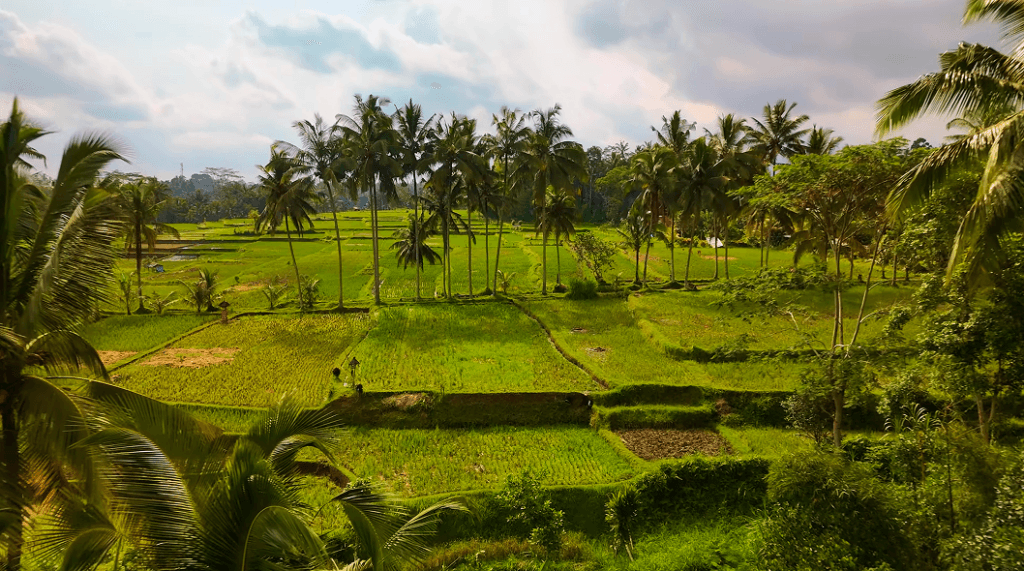
This spot is a real gem. It features a long trail between tall palm trees, surrounded by active rice fields and the pleasant sound of running water below. Walking through it genuinely felt like paradise. There were almost no tourists around — just locals going about their daily chores, smiling, and offering fresh coconuts straight from the trees.
This is where I tried my first fresh coconut ever, and it was fantastic. We talked to the locals and I even helped a little with the coconut gathering. It feels a bit strange to recommend this place because I do not want it to become another commercial tourist point, but if you are looking for a calm, beautiful walk among the rice fields near Ubud, this is the place to go.
Pemulan Bali Coffee Plantation ↗︎
From time to time, you might be approached by locals trying to guide you to “secret” places to try Luwak coffee, which is known as the most unique coffee in the world. This is exactly how we ended up here, but I actually liked the venue.
First, we received a proper introduction to the exotic trees, plants, and fruits growing on the plantation, and then we saw a real civet (Luwak) animal. They showed us the entire cycle of preparing Luwak coffee and then offered a large tasting tray of different teas and coffees, accompanied by a spectacular view over the jungle. Of course, we tried the Luwak coffee as well, which cost around $5
Nungnung Waterfall ↗︎
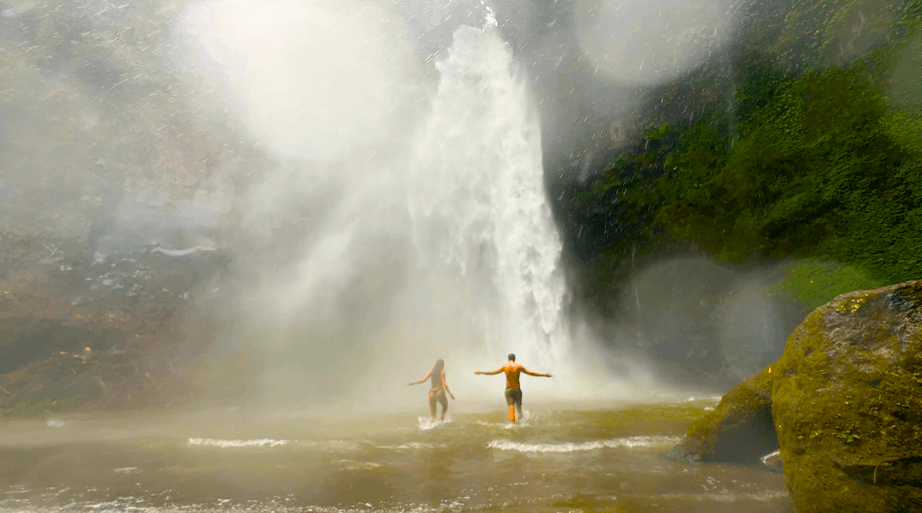
This was the only waterfall we visited in Bali, and it was unforgettable. The hike down to the basin is quite long with a lot of stairs, so you need to be prepared for a steep ascent on the way back. Believe me, it is definitely worth the effort.
Here, I experienced a natural “purification” ceremony. As you approach the massive waterfall, you can feel the vibration of its power shaking the air. It makes you want to scream, cry, and smile all at the same time — it is pure magic on an energetic level. I did not expect an experience like that at all. The surrounding greenery is stunning, and I will remember this place for a very long time.
Ulun Danu Beratan Temple ↗︎
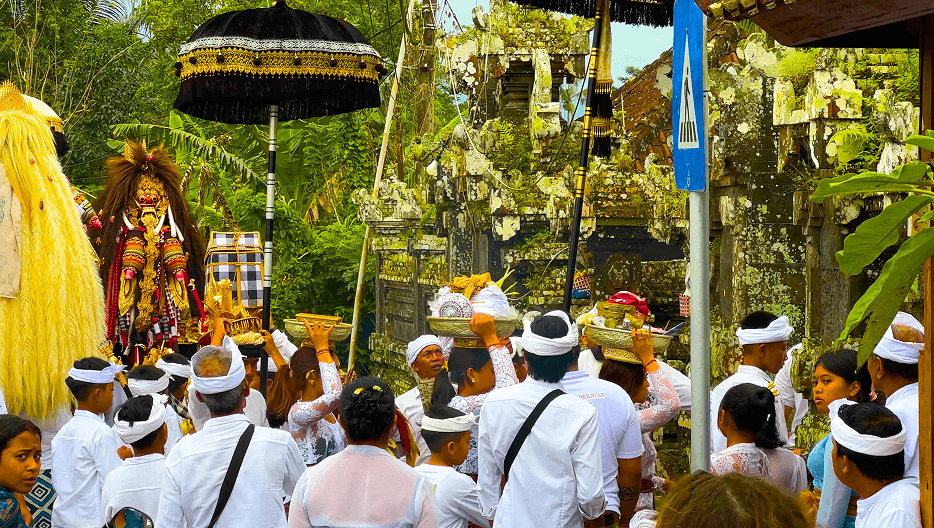
I want to mention at the very beginning that I would not travel all that way specifically to see the temple itself. It is another highly commercialized spot with a very small temple tower in reality, and it lacks a real soul. However, I am including this location because our journey there allowed us to witness a genuine Balinese ceremony. We got stuck in ceremonial traffic surrounded by locals dressed in beautiful, festive white clothes, which gave us the opportunity to observe everything from the inside. It felt truly magical — people were playing music, stopping by houses to accept divine offerings, and moving toward the temple while carrying large statues and balancing gifts on their heads.
Unfortunately, there was no one around who spoke English to explain the exact meaning behind the rituals, but perhaps that was for the best. We were able to watch this mystery unfold from the very epicenter of the event, completely charmed without needing to understand the logistics. It was an incredible immersion that happened without any planning or control. This took place around the Antapan area, though there was no internet signal available to check our exact location.
Ubud Town Activities
Unfortunately, the weather was far from perfect. It rained heavily throughout our two-week stay in Bali, especially around Ubud. Because of the weather, we couldn’t travel farther north; after a few unsuccessful attempts to see the volcano, we found everything completely blocked by clouds.
Here is what I enjoyed doing within Ubud town during those rainy days:
- Watch Traditional Dance: Visit the Ubud Water Palace (or another local palace) to see traditional performances and absorb the mysterious atmosphere of the local culture.
- Practice Yoga: Take a class at the Ubud Yoga House. The venue itself is fantastic — it is an absolute pleasure to practice yoga under a bamboo roof in the middle of the jungle while listening to the rushing river nearby. Afterward, I recommend walking the nearby Sari Organic Walk trail.
- Join a Silver Workshop: Sign up for a silver-making class in Ubud to create your own physical souvenir from the island with your own hands.
Uluwatu
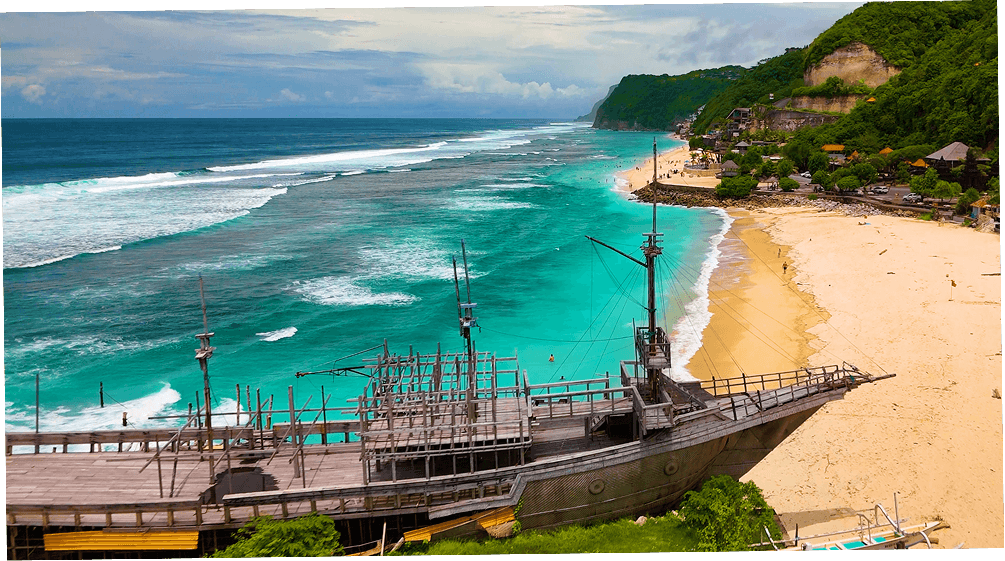
I absolutely love the atmosphere of the Uluwatu area. It is filled with dozens of great cafes, coworking spaces, surf beaches, and local weekend markets. We were lucky to catch a couple of sunny days here, which we split between working in cafes and exploring the coast. We spent some evenings at Savaya (the cliffside club location is truly amazing) and discovered the local art market over the weekend.
We also spent time visiting the beaches:
- Melasti Beach ↗︎: Features stunning blue water that is great for swimming, along with excellent vantage points to watch massive waves creating long barrels for the surfers.
- Padang Padang Beach ↗︎: A nice cove to swim or take a surf lesson right between the picturesque rock formations.
- Blue Point Beach ↗︎: A perfect location to watch the sunset and relax on the unique rock formations.
Final Thoughts
So, why do people travel to Bali, and what is all the buzz about? Personally, I decided that the appeal isn’t about an elusive magic or a unique spiritual energy. The island is truly beautiful, and the natural landscape — with all its waterfalls and volcanoes — is spectacular.
There is also a major element that many people do not mention or notice: the unique combination of Buddhism and Hinduism. This blends into a distinct Balinese form of religion embodied in their temples, traditional architecture, morning offerings, and the scent of incense burning everywhere. This combination creates an incredibly beautiful atmosphere alongside the jungle environment. As a result, great communities of surfers, yogis, and spiritual practitioners gather here.
Unfortunately, the island is also becoming too touristy, which does not impact the local environment in the best way. You need to be ready for scams; we had a very unpleasant experience at a local currency exchange. Prices have gone up significantly, and the traffic in the main towns is completely insane. Simply be ready for the unexpected, do not romanticize the island too much, and use our personal experience to better prepare for your own Bali trip.
For more travel tips and places to explore, join us on: